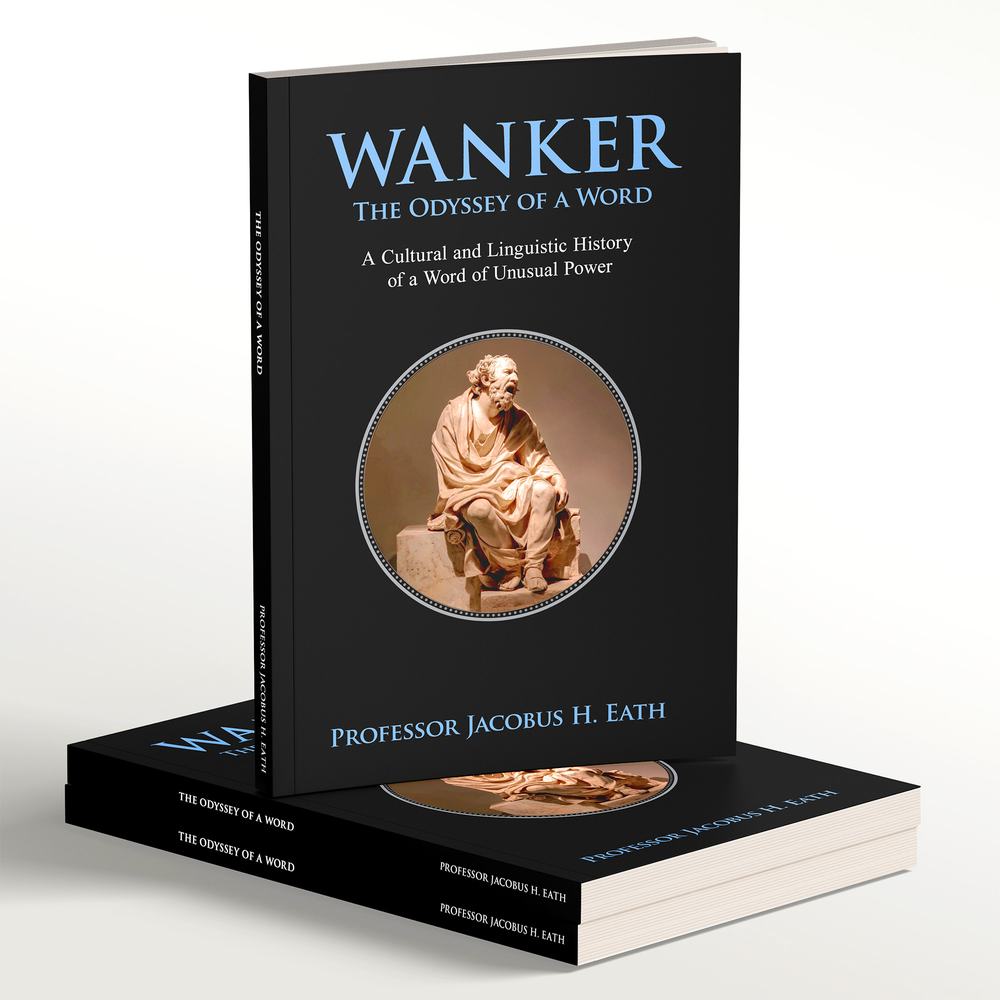
WANKER
A recognisably British insult with comic force.
British slang, insults and rude gift-book fuel
A practical guide to British swear words, rude slang and everyday insults: what they mean, how strong they are, when they sound funny, and when they are likely to get you stared at across a pub table.
Part dictionary, part warning label, part shopping guide for anyone looking for a properly rude British gift book.
British swear words are not just a list of rude noises. They are a social instrument. In the UK, words such as wanker, bollocks, tosser, twat, arsehole and cunt can be used as genuine abuse, affectionate mockery, pub banter, comic exaggeration or a final sign that politeness has collapsed.
That is what makes British swearing so useful and so dangerous. The same word can be funny in one room, brutal in another and completely unacceptable in a third. The word itself matters, but context matters more: who says it, who hears it, where it is said, and whether anyone involved has a sense of humour.
This is not a polite phrasebook. It is a working guide to common British swear words, British curse words and rude slang, including how severe they usually feel in everyday use.
| Word or phrase | Basic meaning | Typical severity | How it is usually used |
|---|---|---|---|
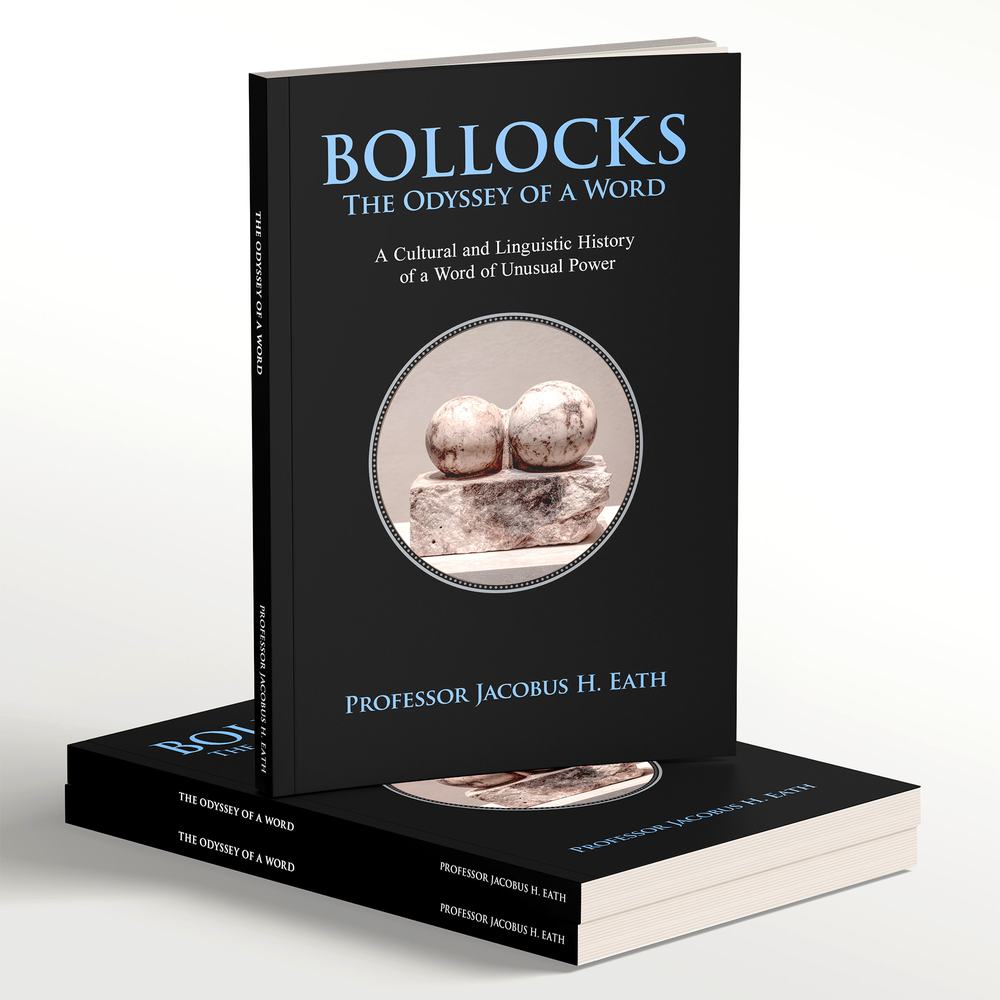
| Bollocks | Literally testicles; also nonsense, frustration or emphatic rejection. | Medium | “That is bollocks” means it is rubbish. “Oh bollocks” means something has gone wrong. Very British, very flexible. |
| Wanker | An idiot, fool or unpleasant person; literally someone who masturbates. | Medium to strong | A classic British insult. Often comic, but still clearly insulting if directed at someone. |
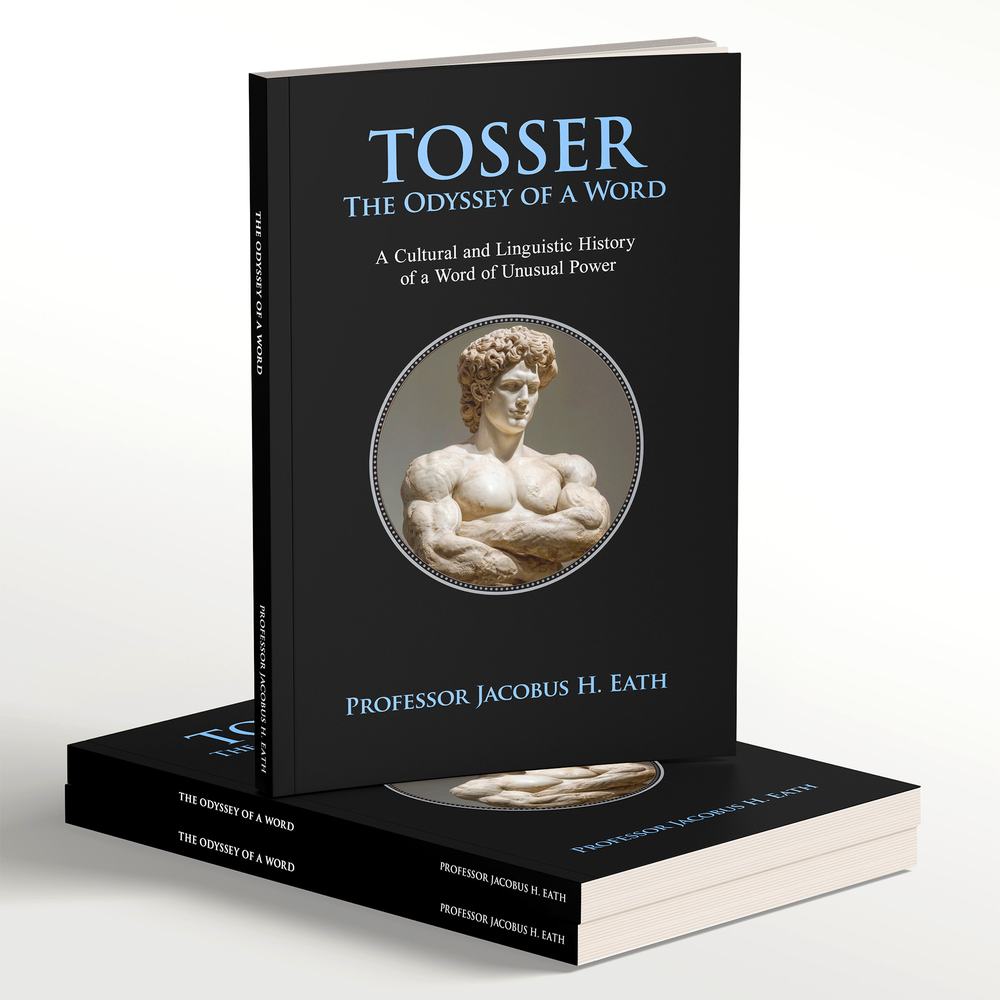
| Tosser | A contemptible, useless or irritating person. | Medium | Less severe than some insults, but beautifully dismissive. Good for someone who has annoyed you without earning full outrage. |
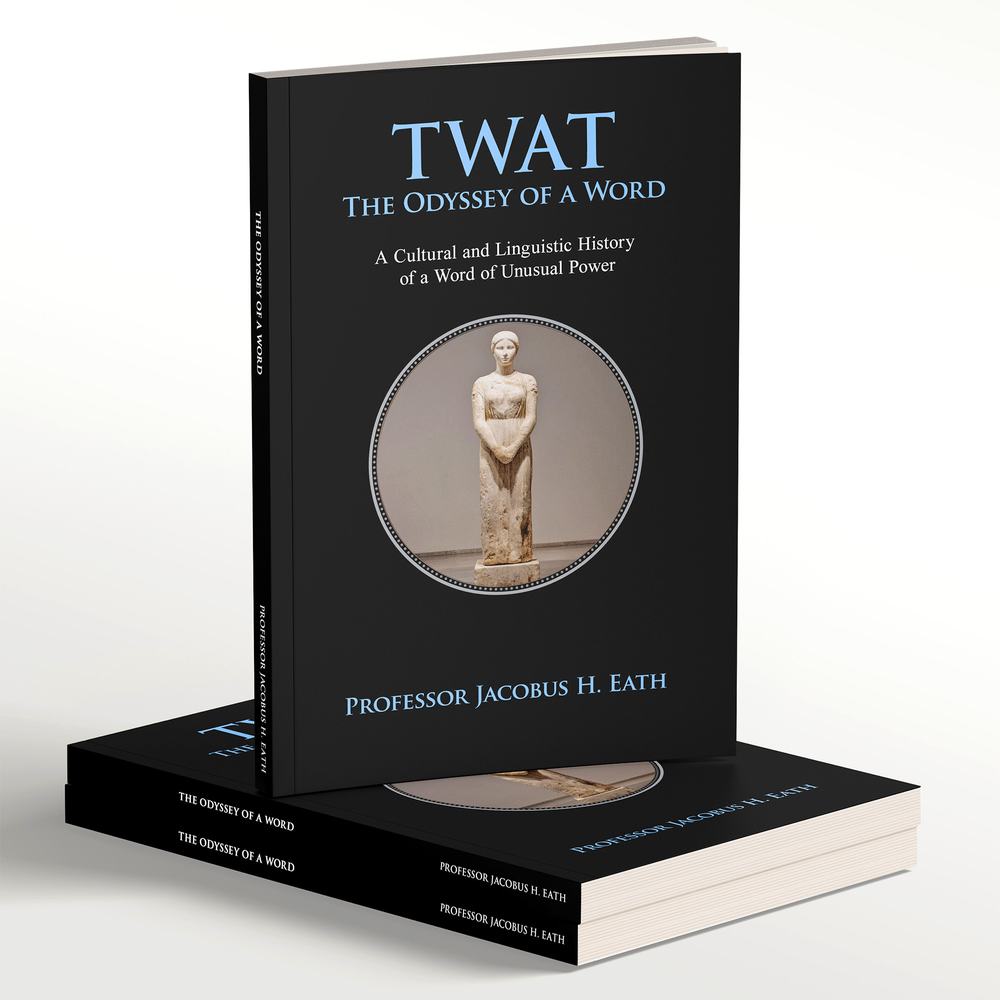
| Twat | A stupid or unpleasant person; also a vulgar anatomical term. | Strong | Short, sharp and very satisfying to say. In Britain it often lands harder than Americans expect. |
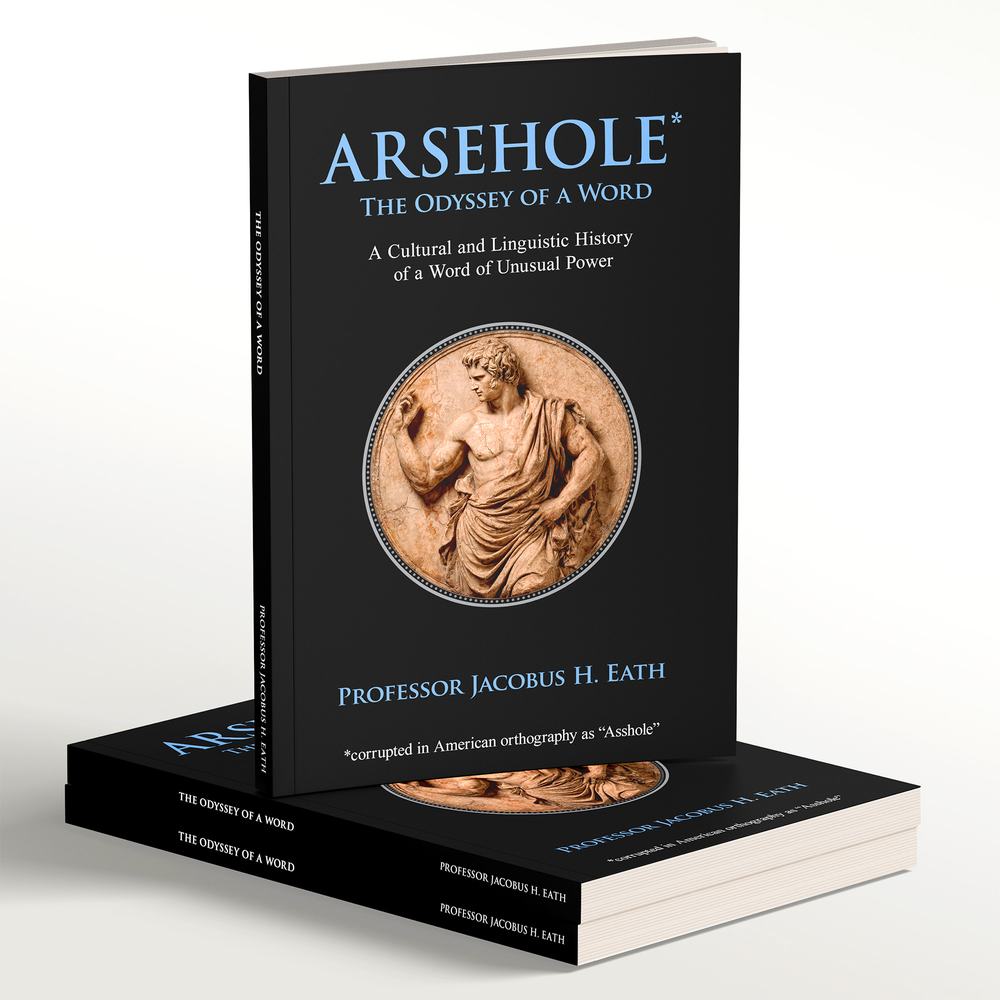
| Arsehole | A nasty, selfish, obnoxious or foolish person. | Strong | The British spelling gives it a different flavour from “asshole”, but the meaning is direct and widely understood. |
| Dickhead | An idiot or annoying person. | Medium to strong | Simple, blunt and easy to deploy. Often used for bad driving, poor decisions or general human failure. |
| Bastard | Historically a child born outside marriage; now more commonly an insult. | Medium to strong | Can be cruel, affectionate or dramatic depending on tone. “Poor bastard” is very different from “you bastard”. |
| Bullshit | Lies, exaggeration, nonsense or empty talk. | Medium | Used to call out nonsense. Less British-specific than bollocks, but still useful and widely understood. |
| Shit | Excrement; also rubbish, trouble, bad quality or surprise. | Medium | One of the most versatile swear words in English. Can describe an object, a situation, a person or a sudden disaster. |
| Cunt | A highly offensive anatomical insult. | Very strong / nuclear | Probably the most dangerous common English swear word. Sometimes used casually in Britain or Australia, but never assume it is safe. |
| Bugger | A mild curse, annoyance or unlucky person. | Mild to medium | Often comic or old-fashioned. “Bugger it” is a softer way of saying that something has gone wrong. |
| Bloody | An intensifier, as in “bloody awful” or “bloody brilliant”. | Mild | Once more shocking than it is now. Today it usually adds irritation, emphasis or comic Britishness. |
| Git | A foolish, irritating or unpleasant person. | Mild | A small insult, useful when someone is annoying but not worth a full swear word. |
| Prat | A fool or idiot. | Mild | More playground than pub fight. Still dismissive, but usually not severe. |
| Munter | A cruel insult, often aimed at appearance. | Strong / unkind | Usually mean-spirited. Works as adult-humour language, but not one to throw around casually. |
| Chav | A class-loaded British insult. | Sensitive | Not just rude; socially loaded. It carries class assumptions and can sound snobbish or cruel. |
Severity is approximate. British swearing changes by region, age, workplace, family, pub, football terrace and whether everyone involved is already three drinks in.
British English often treats insult as performance. A person may call a close friend a wanker with warmth, a stranger a wanker with fury, and themselves a wanker after walking into a glass door. The word has not changed; the relationship has.
That theatrical quality is why British swear words travel so well in comedy. They are blunt but oddly musical. Bollocks has bounce. Wanker has rhythm. Twat is brutally efficient. Arsehole sounds more irritated than its American cousin. Cunt, meanwhile, is the word that makes the room check who else heard it.
The useful rule: never judge a British swear word only by its dictionary meaning. Judge it by tone, company and setting. In Britain, a swear word can be an attack, a joke, an endearment or a social grenade.
Some British swear words look harmless until you hear them in a real sentence. Others sound serious but are often used lightly. This is where visitors, Americans and non-Brits can get into trouble.
British swearing often works best in phrases. These are not polite recommendations; they are examples of how the language is commonly used.
As gift titles, British swear words work because they are immediate. Nobody has to decode the joke. The cover lands first, then the mock-scholarly presentation does the rest.
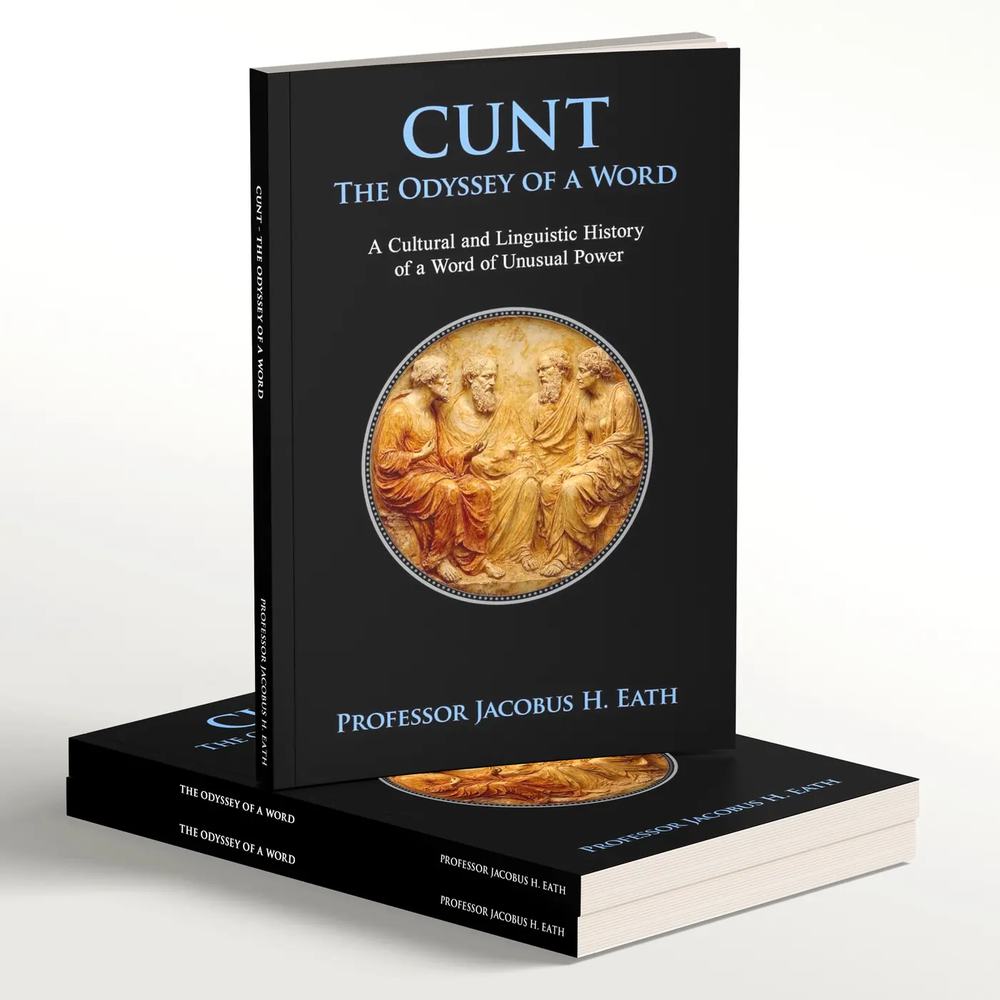
The Odyssey of a Word books are built around that contrast: rude modern titles treated with absurdly grand seriousness. They look like miniature academic histories, but the title on the front does not behave itself.
Not every rude word suits every recipient. Some titles are safer. Some are more explosive. The better the match, the more likely the gift gets shown around instead of quietly buried in a drawer.
Common British swear words and insults include wanker, bollocks, tosser, twat, arsehole, dickhead, bastard, bullshit, shit and cunt. Words such as bloody, bugger, git and prat are often milder but still rude in the wrong setting.
Cunt is usually treated as one of the strongest common English swear words. It can be used casually in some British, Irish or Australian circles, but it remains highly offensive in many settings.
Only with the right audience. British swear words can be funny between friends, but the same words can sound aggressive, classist, sexist, cruel or simply inappropriate when used with the wrong person.
They are instantly recognisable, short, forceful and often funny on sight. A rude word on a grand-looking book cover creates a strong comic contrast, which is exactly the joke behind The Odyssey of a Word series.
If you came here looking up British swear words and ended up thinking, “unfortunately, I know exactly who needs this,” that is the point. The Odyssey of a Word is a collection of 24 mock-scholarly rude gift books built around infamous insults, swear words and adult slang.