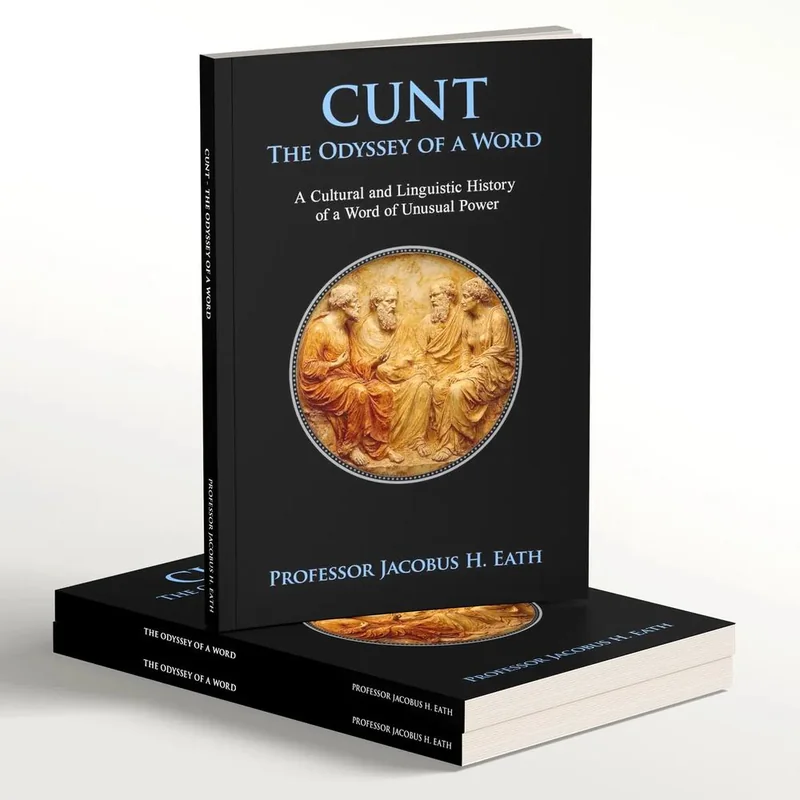
CUNT
A mock-scholarly rude word history devoted to the most notorious title in the collection.
A practical guide to why some English swear words still provoke laughter, outrage, censorship and nervous glances across the dinner table.
Offensiveness is not just about meaning. It depends on the listener, the speaker, the setting, the relationship between them, and the cultural weight of the word. A word used between close friends can be completely different when used by a stranger, a boss or a public figure.
That is why fixed lists of offensive words are always incomplete. Language moves with society.
English taboo words often cluster around sex, anatomy, excretion, religion, family, class and personal attack. The most explosive words are usually the ones that cross categories: sexual insult plus contempt, bodily taboo plus social aggression, or blasphemy plus anger.
The Odyssey of a Word series leans into this tension by treating disreputable words as if they deserve museum lighting and footnotes.
Within this collection, the most obviously high-voltage titles include CUNT, FUCK, TWAT, MOTHERFUCKER, ARSEHOLE and BOLLOCKS. Some are anatomically blunt. Some are insult-heavy. Some are very British. All have survived because polite alternatives do not do the same job.
A mock-scholarly rude word history devoted to the most notorious title in the collection.
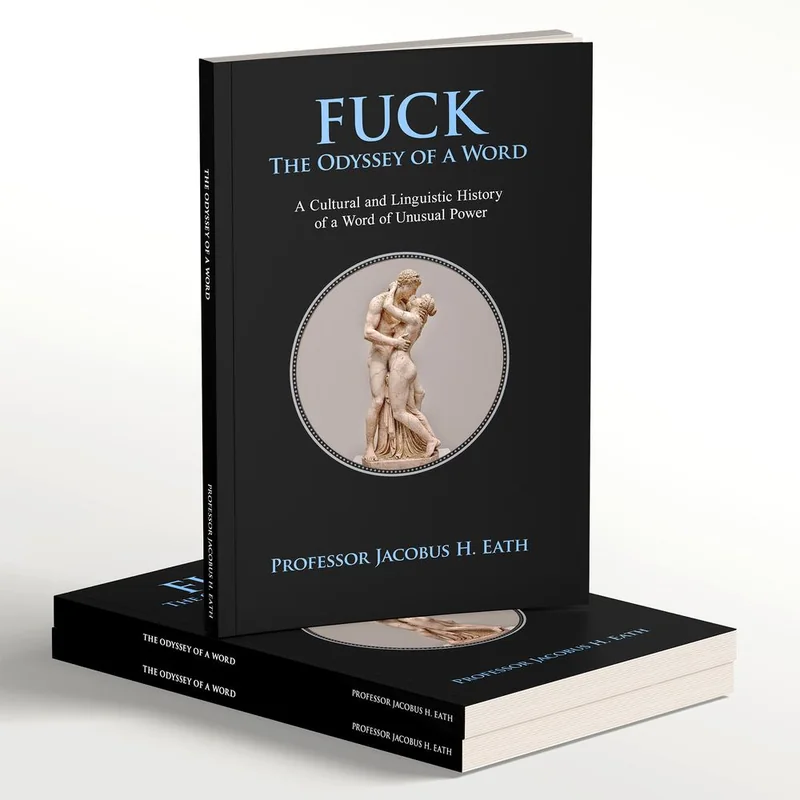
A profanity classic with obvious rude-gift appeal.
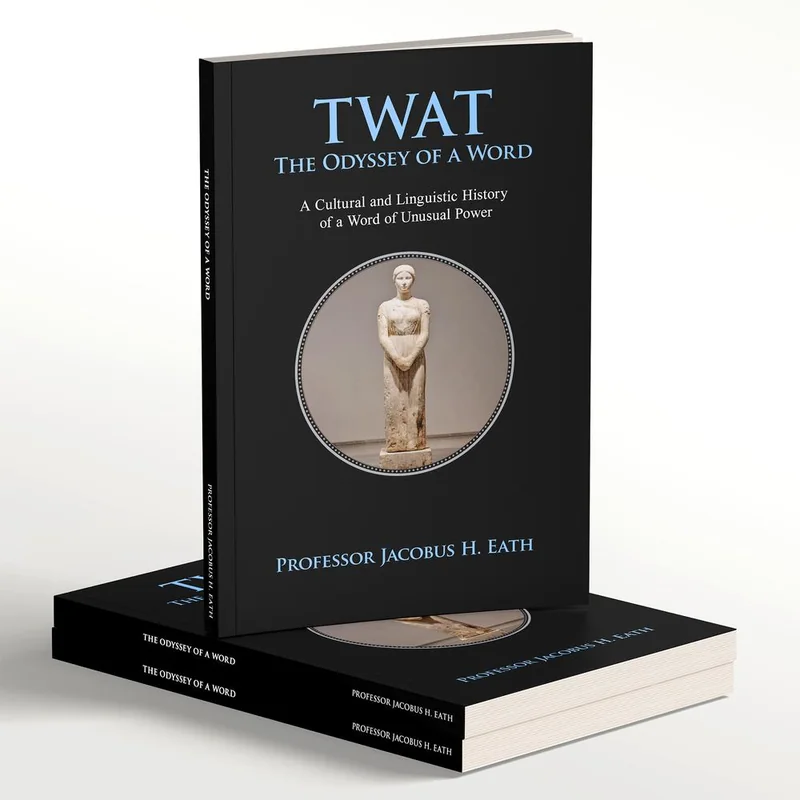
A sharp, compact British insult.
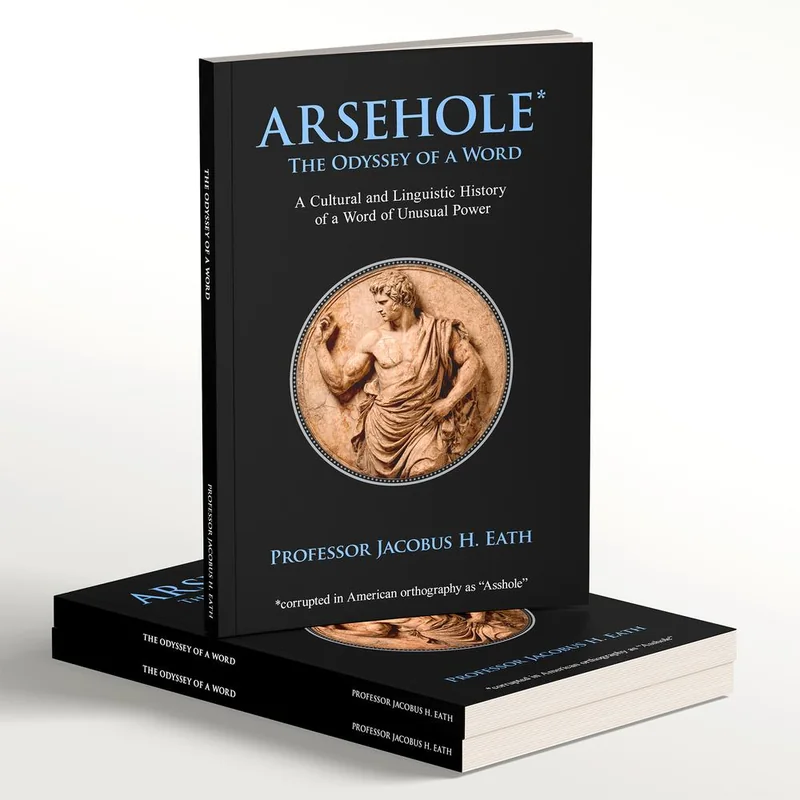
A direct insult with universal clarity.
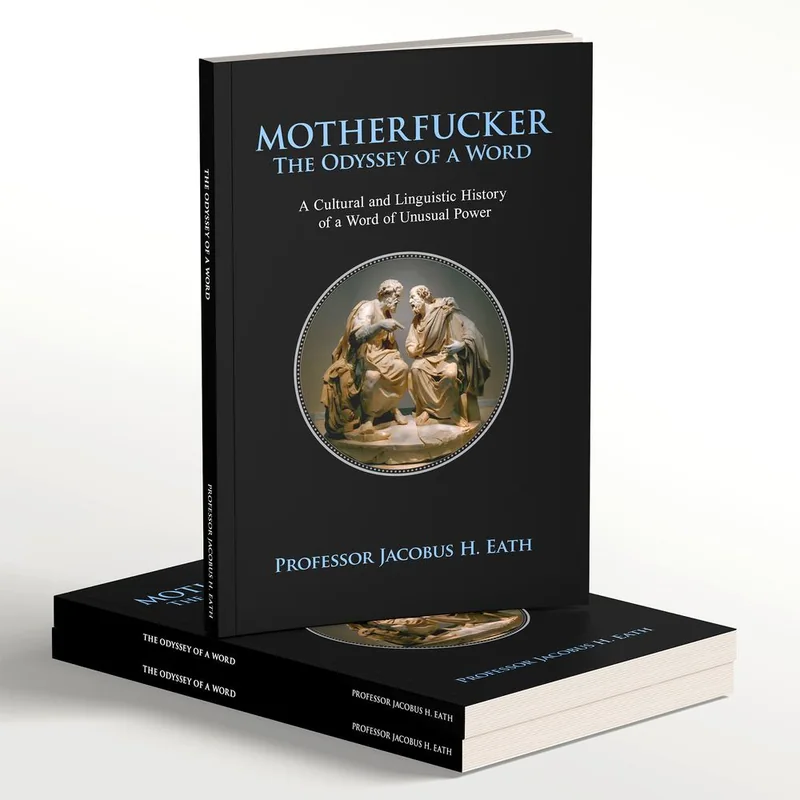
Maximum-volume profanity.
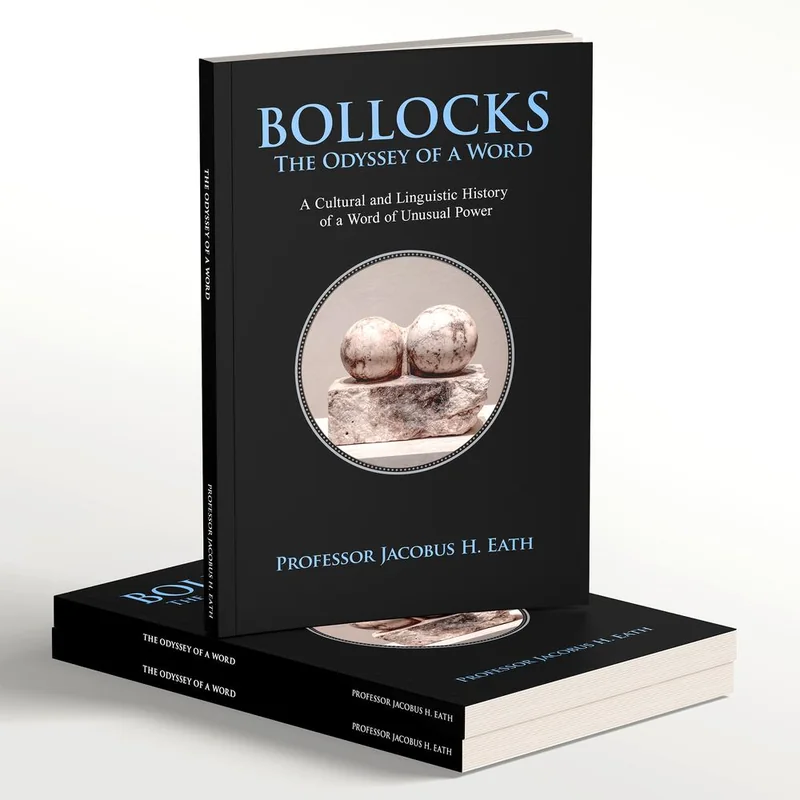
A British classic with comic range.